How to Become an Expert in Your Optical Career
Read article
Do you want career advice, market intelligence, professional development or simply wellbeing – check the articles below.
Wellbeing with Sarah
Sarah, our Federation Representative for Wellbeing, has her own home for honest writing on burnout, boundaries and building a sustainable career.
If you can't find what you're looking for, the Federation team can help. We're here to answer career questions - no CV, no commitment.
Speak to the Team97 articles

Every optical professional makes hundreds of decisions throughout their career.
It is a familiar conversation in practice. An optometrist tells me they will apply for a new role once they complete another course. A dispensing optician says they will consider moving once they feel more confident with complex varifocal dispensing. A practice manager says they will step up when the “right opportunity” appears.
It’s an easy question to ask and a harder one to answer honestly. It isn’t really about whether someone is pleasant, organised, or technically competent. And it’s not about whether the practice hits its numbers or the rota is fair most weeks. The question sits somewhere quieter than that, in the space between how you show up at work and how much of yourself you feel able to bring with you when the doors open and the clinic starts to fill.

Good. That usually means you have reached the point where “just getting through the week” is no longer enough.

Think about how much has changed in a single decade, let alone four. From manual focimeters to fully automated systems. From paper appointment books to cloud-based practice management. From simple single vision lenses to bespoke freeform designs tailored to lifestyle and vocation. Optical practice has never stood still, and neither have the professionals within it.
In optics, legacy carries weight. A practice that has stood for generations commands respect before a single eye test begins. The name above the door means something. Patients remember it. Families return. Staff feel part of something bigger than themselves.
A practical guide to helping optical professionals confidently demonstrate their real-world skills during interviews.
Here is a hard truth about working in optics. You will get things wrong.
Most of us have been there-you’re swamped with deadlines, someone drops another task on your desk, and you feel that familiar panic: how do I say no without looking unhelpful?

Most people think career growth comes from having the right answers. In my experience, it often starts with asking better questions. I have seen this many times in recruitment. The people who make the strongest progress are not always the most technically gifted or the most confident in the room. Very often, they are the ones who have learned how to use conversations wisely. They understand that time with an experienced leader is not just a chance to impress. It is a chance to learn how good judgement is formed.



Why What You Put Into Your Career Is Exactly What You Get Back


Most people believe anger comes from what happens to them. In reality, it usually comes from how they interpret what happens.
When people talk about careers, they often focus on the obvious things. Qualifications. Experience. Technical ability. The strength of a CV.
One of the most common patterns I have seen over the years in recruitment does not begin with failure, laziness, or lack of motivation. Quite the opposite. It begins with ambition.
What if the real risk in your career is not making a mistake, but never testing your full potential?
You can tell a lot about a practice by what happens at 5:45pm on a Saturday.
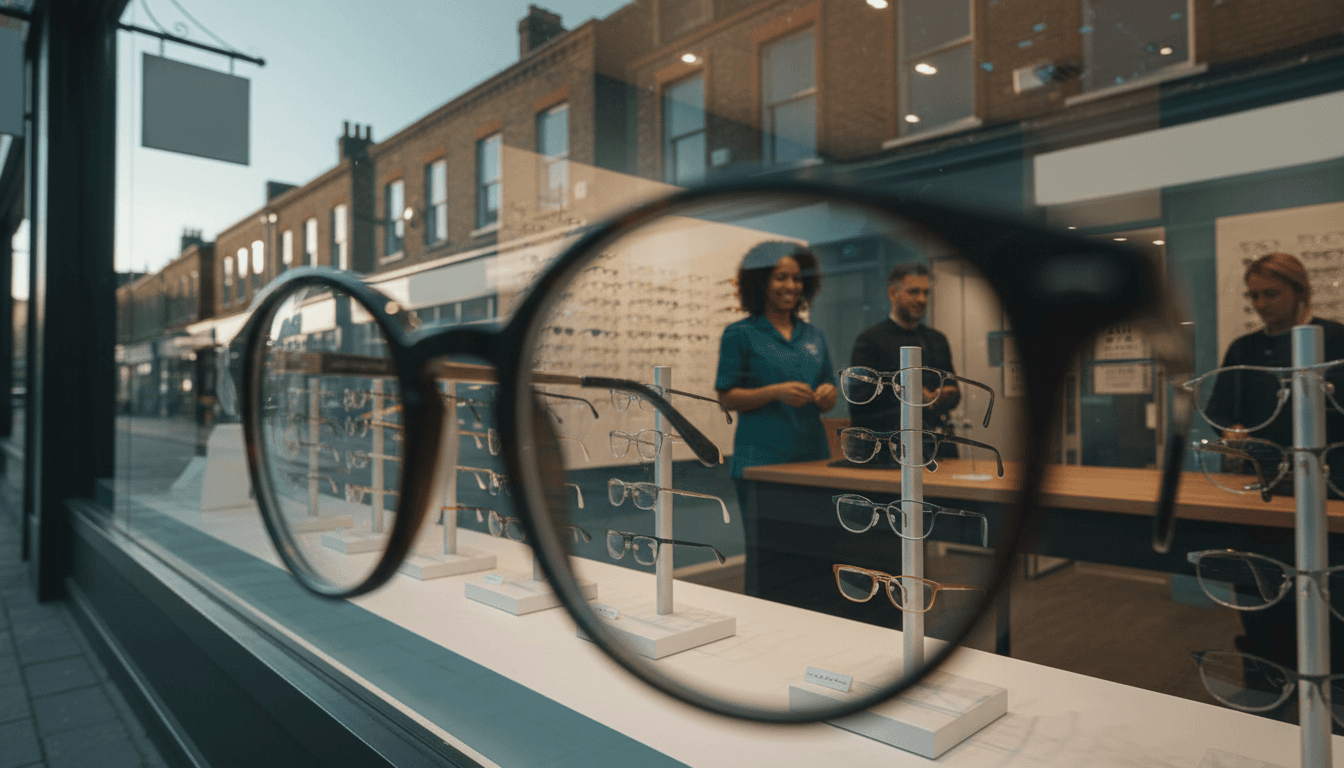
One of the most common misconceptions about leadership is that it begins with a job title. People often assume that leadership starts the moment someone is promoted to manager, director, or executive. In reality, after many years working in recruitment and helping organisations build teams, I have seen the opposite play out time and again. Leadership rarely starts with authority. It usually begins long before anyone hands you the title.

The last patient has left. The test room light is off. Someone is wiping down the frame boards. A dispensing optician is double checking a complex varifocal order. An optical assistant is balancing the till while chatting softly about their weekend. Nothing dramatic is happening, yet everything important is.