Heritage Is Powerful. But It Is Not Enough.
In optics, legacy carries weight. A practice that has stood for generations commands respect before a single eye test begins. The name above the door means something. Patients remember it. Families return. Staff feel part of something bigger than themselves.
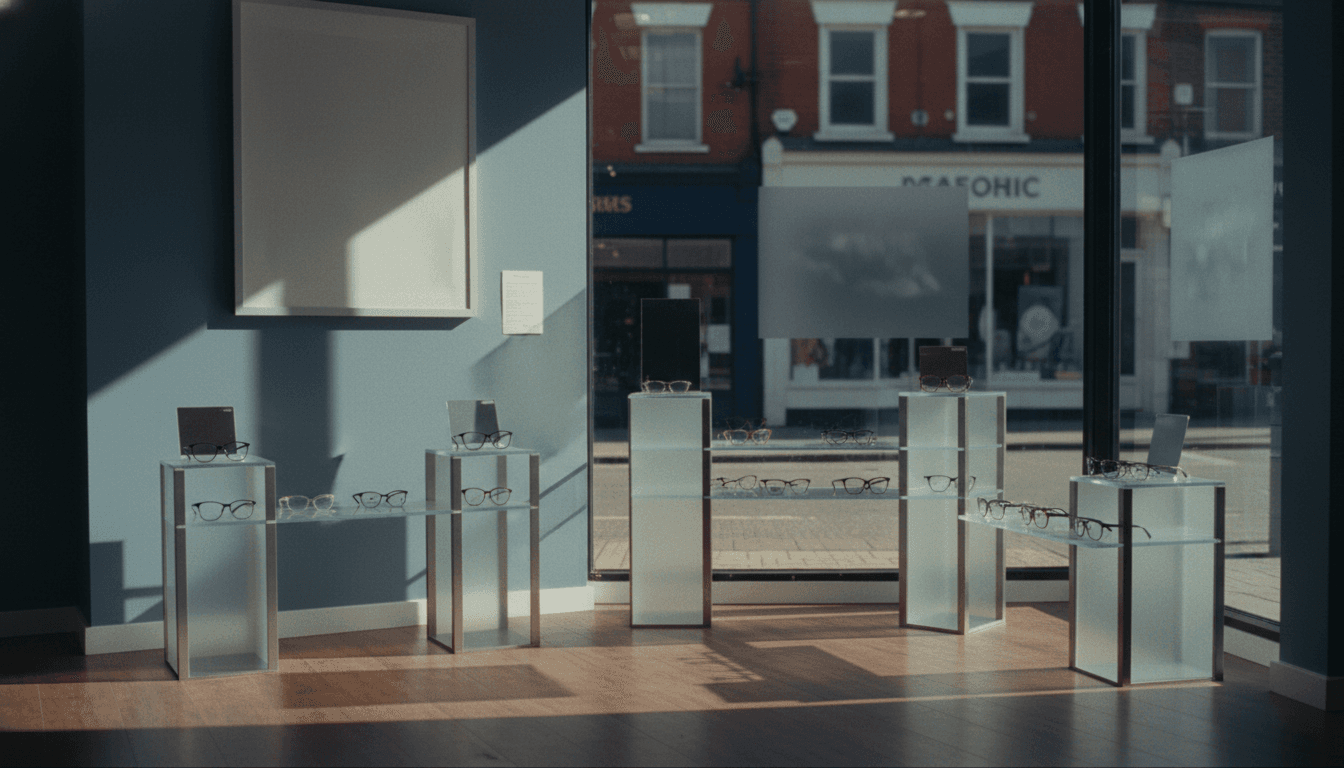
But history on its own does not sustain a business. It does not recruit the next talented optometrist. It does not retain an ambitious dispensing optician. It does not modernise testing rooms, improve clinical pathways or ensure the patient experience feels relevant in 2026.
The practices that thrive long term understand one thing clearly. Heritage is a foundation, not a strategy.
In the UK optical sector, this balance between tradition and progress is playing out every day. Independent practices with decades behind them are refining their brand, rethinking their clinical offer and adapting to changing patient expectations. At the same time, newer businesses are building their identity carefully, knowing that culture and consistency today will shape their reputation tomorrow.
For professionals working within these environments, understanding that balance matters.
A strong heritage brand is rarely about nostalgia alone. It is about consistency. Patients trust practices that feel steady, knowledgeable and grounded. They want to feel that the person conducting their eye examination is not just technically competent but part of a wider story of care. That trust is built through standards, not sentiment.
In practical terms, that means investing in clinical excellence. Updated OCT technology. Well-structured testing times that allow proper patient communication rather than rushed transactions. Clear referral pathways. Ongoing CPD that goes beyond ticking GOC boxes and genuinely sharpens expertise.
It also means recognising that patient expectations have shifted. Eyewear is no longer purely functional. For many patients, it is personal style, confidence and identity. Practices that respect their history while embracing contemporary frame design, customisation options and knowledgeable styling advice create a far richer experience.
This is where generational thinking becomes powerful.
In family-run practices across the UK, you often see this dynamic clearly. One generation built the reputation on craftsmanship and relationships. The next introduces refined retail environments, improved lens technology and more structured business operations. Neither approach is wrong. The magic happens when they work together.
For optical professionals considering their next move, these environments can be particularly rewarding. You are not just filling a vacancy. You are stepping into a narrative.
However, candidates must look carefully. Not every heritage practice evolves well. Some cling to tradition so tightly that innovation feels uncomfortable. Testing times remain fixed despite growing clinical complexity. Equipment upgrades are delayed. Saturday working is heavy but recognition is light. In these environments, legacy becomes restrictive rather than empowering.
Equally, not every modernising practice gets it right. A shiny refit means little if the culture becomes transactional. Patients sense when care has been replaced with sales pressure. Staff feel it too. Retention suffers.
The strongest practices understand that experience is holistic. From reception greeting to pre-screen, from refraction to frame styling, from glazing turnaround to aftercare, every step reflects what the business stands for.
For example, offering multiple frame sizes is not simply about aesthetics. It demonstrates understanding of facial proportions, comfort and long-term wear. Discussing lens options clearly is not upselling. It is educating patients so they make informed choices that genuinely suit their lifestyle. Managing in-house glazing or maintaining close lab relationships is not operational detail. It affects turnaround times, quality control and patient satisfaction.
These are not marketing decisions. They are clinical and cultural ones.
For candidates, it is worth asking thoughtful questions at interview. How has the practice evolved in the past five years? What investment has been made in equipment? How are testing times structured? How are Saturday rotas managed? What support is offered for further qualifications such as independent prescribing or contact lens specialisms?
You are not being difficult by asking. You are assessing whether the practice’s values align with your professional ambitions.
There is also something to be said for physical presence. In an era of online retail and remote services, bricks-and-mortar practices still hold unique power. Patients value face-to-face reassurance, especially when dealing with ocular health. Practices that understand this lean into their environment. They create spaces that feel welcoming rather than intimidating. They train staff to guide rather than push. They ensure the story of who they are is visible but never overwhelming.
Growth, when it happens, is best handled with care. Expanding to additional locations or broadening clinical services should feel like a natural extension of existing standards, not a dilution of them. Sustainable expansion requires systems, leadership and a clear sense of identity.
For professionals in optics, this is where career judgement becomes critical. A practice’s reputation may attract you initially, but its trajectory should keep you interested. Is it evolving with purpose? Does it respect its roots while investing in its future? Are patients returning because of habit, or because of consistent excellence?
The UK optical market remains resilient precisely because it is built on relationships. Technology will advance. Retail trends will shift. Regulations will evolve. Yet the core remains the same. Competent clinicians. Thoughtful dispensing. Trust.
Whether you work in a single independent in a market town, a well-established city practice, or a national multiple, the lesson is consistent. Respect the history. Honour the standards. But never stop refining.
If you are considering your next role, look beyond the name above the door. Look at how the practice thinks. Look at how it invests. Look at how it treats its team.
Because in optics, as in life, longevity is earned daily. And your career deserves to be part of a story that is still being written, not one that is simply being remembered.
Where this could take you
Curious what the market looks like for you?
Build your perfect job in under two minutes - postcode in, salary bands, advertised and hidden-market vacancies out.
Build your perfect job