Owning Your Mistakes Without Losing Yourself in the Process
Here is a hard truth about working in optics. You will get things wrong.
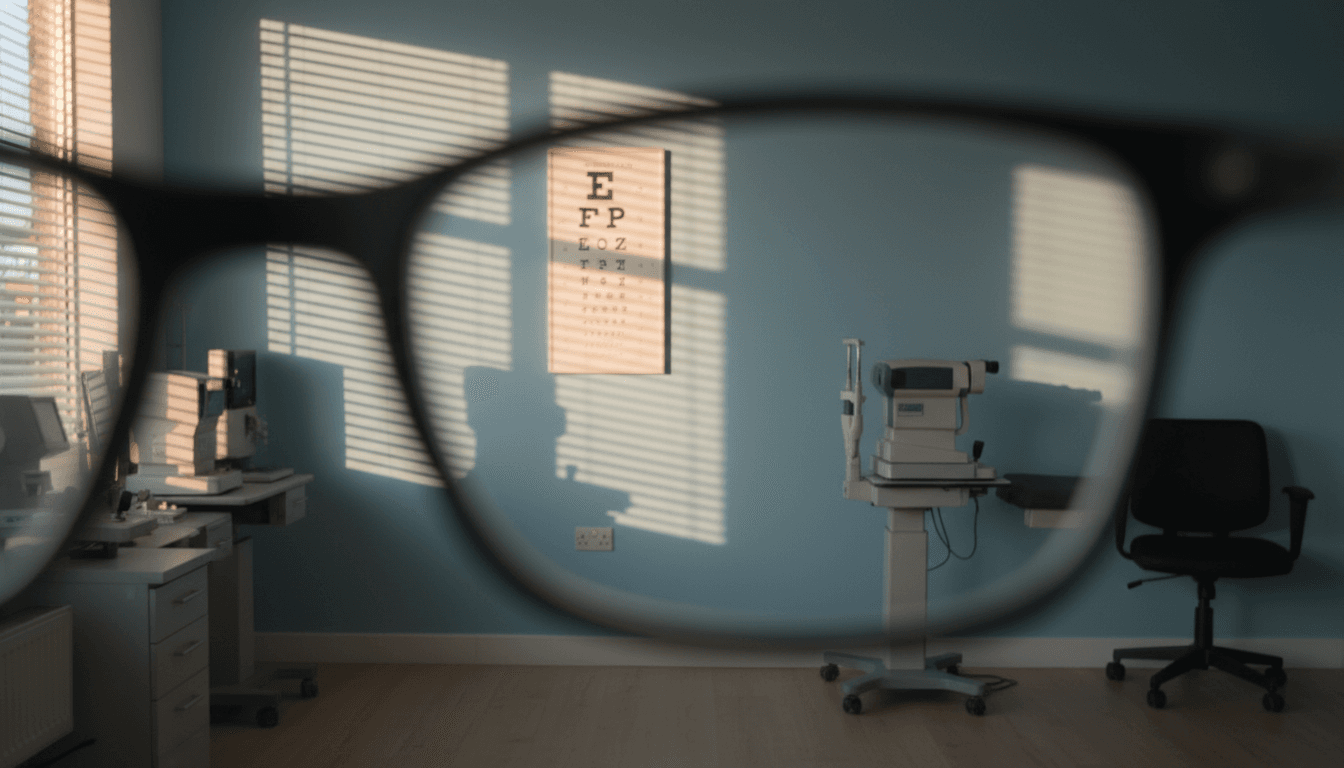
At some point in your career, you will misjudge a frame choice for a patient. You will underestimate how long a complex eye examination will take. You may miss a subtle clinical sign and catch it only on reflection. You might handle a complaint less calmly than you would like. It happens in independent practices. It happens in multiples. It happens to newly qualified professionals and to those with twenty years behind the phoropter.
What matters is not whether you make mistakes. It is how you carry them afterwards.
There is a quiet pressure within the optical profession to be faultless. We work in healthcare. We are governed by standards. We are trusted with sight. The responsibility is real and it should be. But somewhere along the way, many professionals blur the line between accountability and self-punishment.
Owning a mistake is healthy. Replaying it at three in the morning for weeks is not.
Consider the newly qualified optometrist who realises they could have managed a referral differently. Or the dispensing optician who recognises, in hindsight, that they rushed a discussion about lens options and the patient returned dissatisfied. The immediate response is often internal criticism. I should have known better. I am not good enough. Everyone else manages this better than I do.
Yet that internal spiral rarely improves patient care. It erodes confidence. It makes clinicians more hesitant. It creates anxiety that spills into the next clinic, the next dispense, the next conversation.
True accountability looks different.
It starts with clarity. What exactly happened? Was it a knowledge gap? A communication issue? A time management problem? A systems failure within the practice? Optical environments are busy. Testing times get squeezed. Saturday clinics run back to back. A late arrival can derail the entire afternoon. Context matters. Understanding it honestly is part of professional maturity.
Next comes ownership. Not defensiveness. Not blame shifting. Simply recognising your role. That might mean apologising to a patient, documenting appropriately, speaking to your practice manager, or reflecting as part of your CPD. This is not weakness. It is professionalism in action.
But here is the part that many people miss. Once you have taken responsibility and corrected what can be corrected, you must allow yourself to move forward.
You were working with the knowledge, experience and pressure you had at that moment. Experience is built precisely from these uncomfortable realisations. The senior optometrist who now calmly handles complex pathology once had their own sleepless night over a borderline OCT scan. The confident practice manager who navigates complaints with grace once stumbled through their first difficult conversation.
In recruitment, we see this play out repeatedly. Talented clinicians hesitate to apply for roles because they are still defining themselves by a past mistake. Dispensing opticians downplay their skills because of one challenging period in a previous practice. Optical assistants assume they are not ready for progression because they struggled early on with adjustments or sales conversations.
Your worst chapter is not your entire story.
In fact, many employers value candidates who have reflected deeply on difficult moments. When you can articulate what you learned from a complaint, how you improved your patient communication, or how you adjusted your clinical process after a near miss, it demonstrates growth. It shows resilience. It signals emotional intelligence.
Practices do not need perfection. They need safe, reflective professionals who understand their limits and continue developing. The General Optical Council expects reflection for a reason. It strengthens practice. It protects patients. It protects you.
There is also a broader human element. Working in optics is relational. We deal with anxious patients, elderly patients, parents of children with myopia concerns, individuals adapting to life-changing diagnoses. Some days are emotionally heavy. If you carry unprocessed shame from previous missteps, it compounds the load.
Self-compassion is not indulgence. It is sustainability.
This does not mean lowering standards. It does not mean dismissing errors. It means separating behaviour from identity. You made a mistake. You are not a mistake.
When handled properly, accountability becomes a quiet source of confidence. You know that if something goes wrong, you will address it. You will learn. You will improve systems where needed. You will communicate transparently. That assurance allows you to practise with calm authority rather than fear.
If you are early in your career, understand this now. The clinicians you admire have navigated difficult moments. If you are established, perhaps even leading a team, remember that your younger colleagues are watching how you respond to your own errors. When leaders model reflective accountability rather than harsh self-criticism, it shapes healthier practice cultures.
And if you are currently sitting with a mistake that still stings, ask yourself a simple question. Have I taken the lesson from this? If the answer is yes, then the purpose of that moment has already been served.
Growth in optics, as in any profession, is cumulative. Every clinic, every dispense, every challenging conversation adds a layer. Over time, you become more measured, more perceptive, more confident. Not because you avoided every error, but because you learned from them.
Your career will span thousands of patients, countless eye examinations, and hundreds of working Saturdays. Do not let one or two moments define the whole.
Take responsibility fully. Make amends where needed. Adjust your practice. Then release the shame.
You are not the clinician you were on your hardest day. You are the professional you chose to become afterwards.
Where this could take you
Curious what the market looks like for you?
Build your perfect job in under two minutes - postcode in, salary bands, advertised and hidden-market vacancies out.
Build your perfect job