
What Anxiety Is Really Doing (Therapist Team Breakdown)
Read article
Do you want career advice, market intelligence, professional development or simply wellbeing – check the articles below.
Wellbeing with Sarah
Sarah, our Federation Representative for Wellbeing, has her own home for honest writing on burnout, boundaries and building a sustainable career.
If you can't find what you're looking for, the Federation team can help. We're here to answer career questions - no CV, no commitment.
Speak to the Team61 articles
Imagine dropping a glass. It shatters across the floor and a shard slices into your hand. There is blood. There is pain. Yet instead of reaching for a cloth, instead of washing the wound and stopping the bleeding, you sit down and begin asking questions.
It begins with small things. You are the one who swaps a Saturday to help the team. You stay late when a clinic overruns. You check in on colleagues. You smooth over tension between reception and the test room. You absorb pressure from patients who are frustrated about delays. You tell yourself it is just part of being committed.
A Practical Guide for Optical Professionals Who Want to Stand Out and Secure Their Next Opportunity
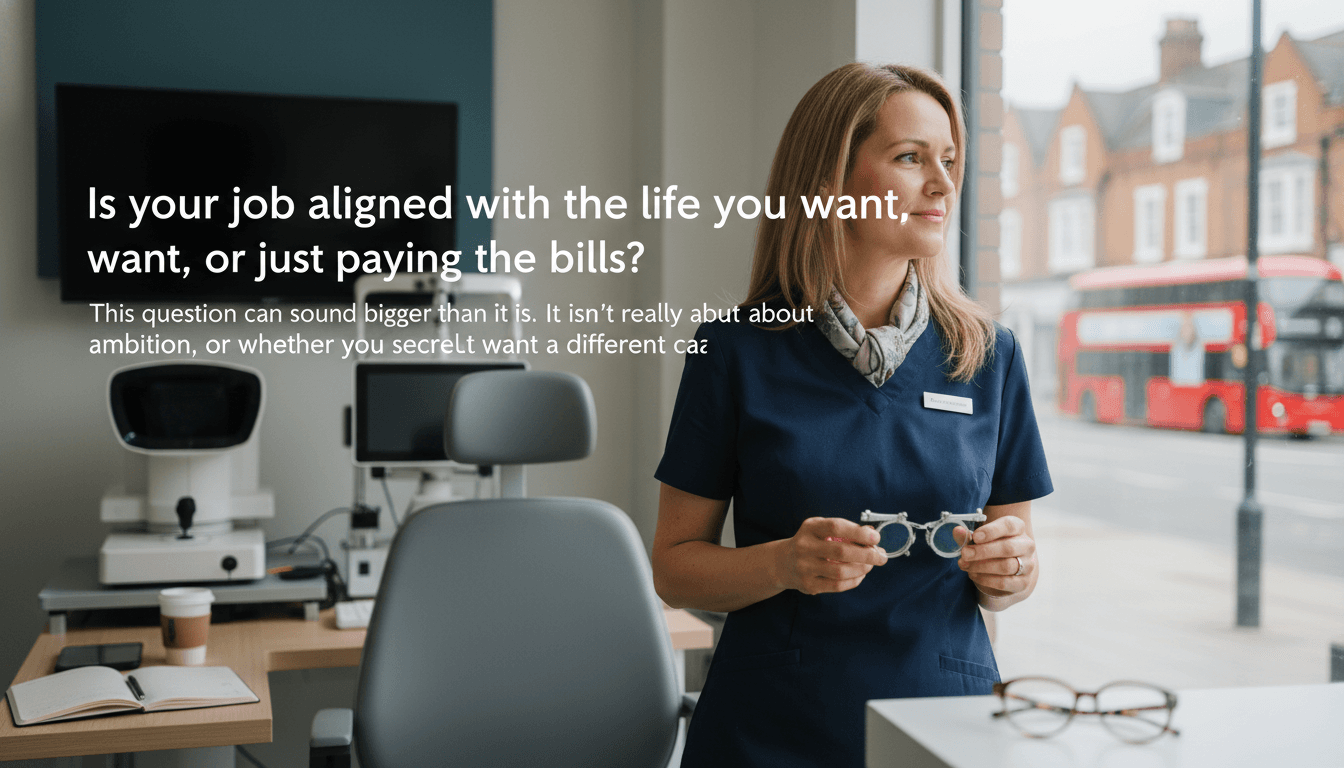
This question can sound bigger than it is. It isn’t really about ambition, or whether you secretly want a different career, or whether you should be grateful for what you have. It’s not even about loving your job. Most days in practice are too busy for that kind of thinking. It’s about something quieter and more persistent: the gap between how your working days actually feel and the kind of life those days are meant to be supporting.
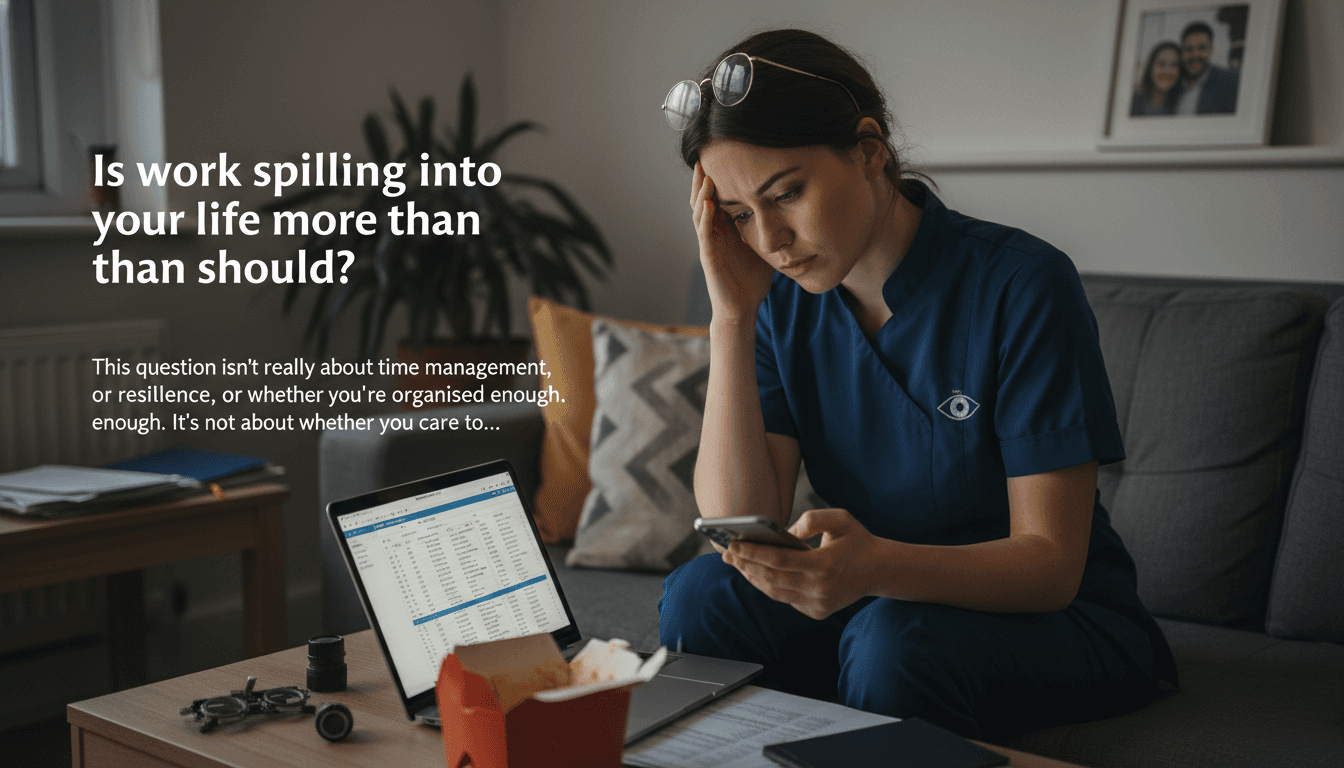
This question isn’t really about time management, or resilience, or whether you’re organised enough. It’s not about whether you care too much, or whether others seem to cope better than you do. It’s about something quieter and harder to pin down: the way work can start to follow you home, not in your diary but in your head, and how normal that can begin to feel without you ever deciding it should.
It sounds like a simple question, but it rarely lands that way. It isn’t really about whether you enjoy your work, or whether you’re good at it. And it definitely isn’t about whether you’re grateful to have a job. It’s about something quieter and harder to admit: what it costs you to keep showing up as yourself, day after day, in a practice that never really slows down.
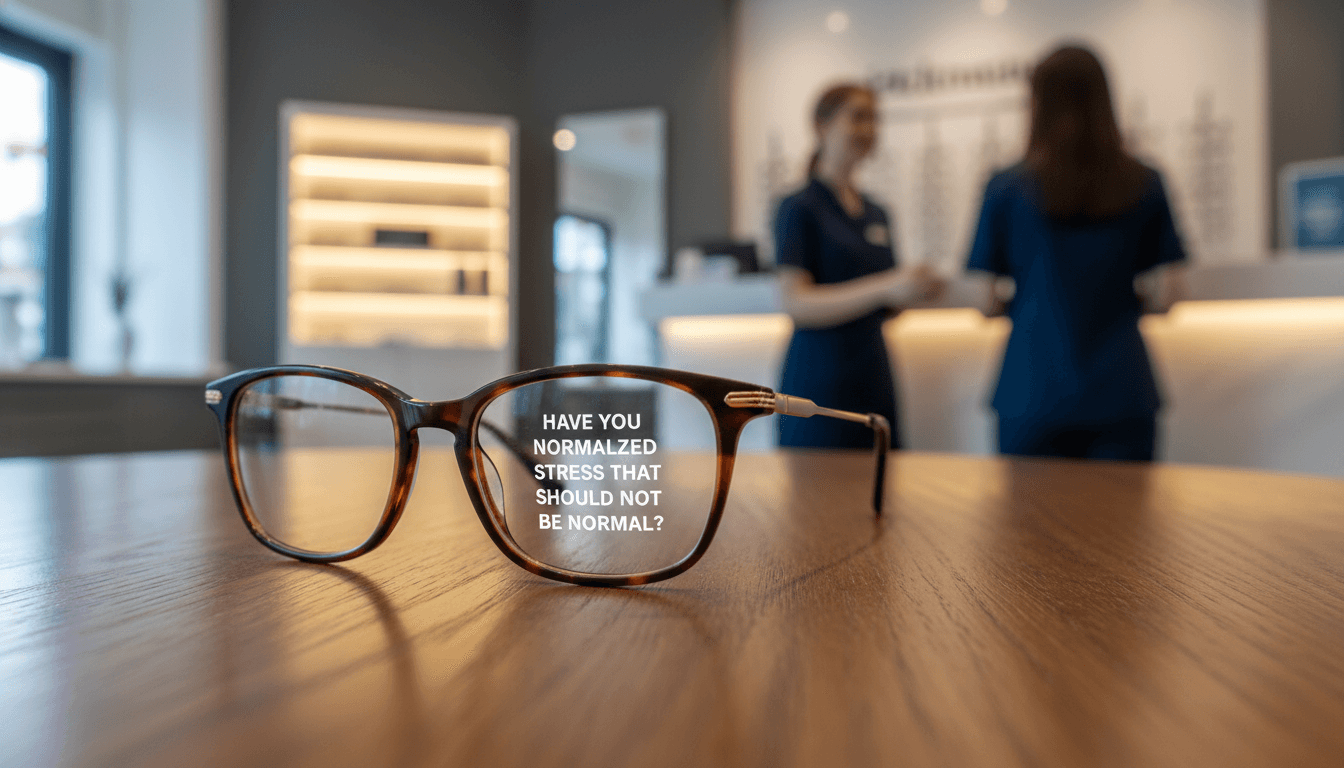
At first glance, this question can sound like a personal failing. As if it’s asking why you haven’t coped better, or why you’ve let something slip. But that isn’t what it’s really getting at. It’s not about resilience, or toughness, or whether you’re cut out for the work. It’s about how easily a certain level of strain can become the background noise of an optician’s day, so familiar that it barely registers anymore.

This question sounds simple, but it rarely is. In practice, it isn’t really about sleep or resilience, and it’s definitely not about whether you can “push through” a bit more. It’s about something quieter and more uncomfortable: whether the tiredness you feel still lifts when the pressure eases, or whether it’s started to feel like part of who you are at work. In an optician’s practice, where care, pace, and expectation sit on top of each other all day, that line can blur without anyone noticing.

Recruitment’s a mental game. Your mindset drives performance, relationships, and results. These nine thinking traps quietly kill confidence and clarity - whether you’re a consultant, candidate, or client. Let’s call them out and fix them - Mark Goode style.
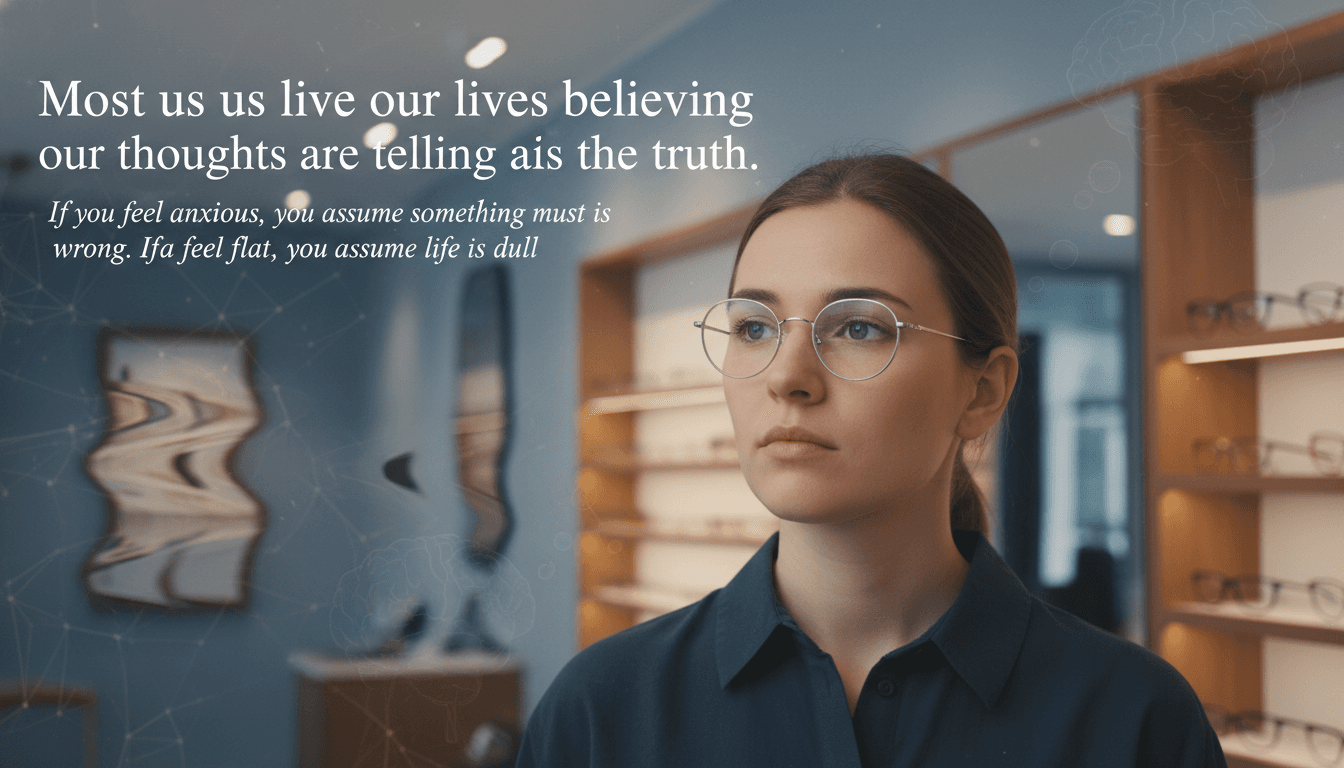
If you feel anxious, you assume something must be wrong. If you feel flat, you assume life is dull. If you feel frustrated at work, you assume the job or the people are the problem.

It sounds like a simple question, but it rarely is. It isn’t really asking whether you enjoy your job, or whether you had a good day today, or whether someone thanked you at the end of an appointment. It’s asking something quieter and more uncomfortable. It’s asking whether, when the doors are locked and the lights are dimmed, the work you did still feels like it belonged to you.

Most people don’t ask this question because they’re feeling flat or disengaged. They ask it because something feels oddly hollow even though they’re still showing up, still delivering, still holding things together. In an optician’s practice, that can be easy to miss because the day keeps demanding things from you regardless of how you feel. Clinics run, patients arrive, decisions still need to be made. The work continues whether you’re motivated or not.