Continuous Improvement in Optical Practices: A Practical Guide for UK Optometrists and Opticians
Small, well-managed changes — not overhauls — drive continuous improvement in optical practices. A practical, UK-specific guide for optometrists, DOs, and practice managers.
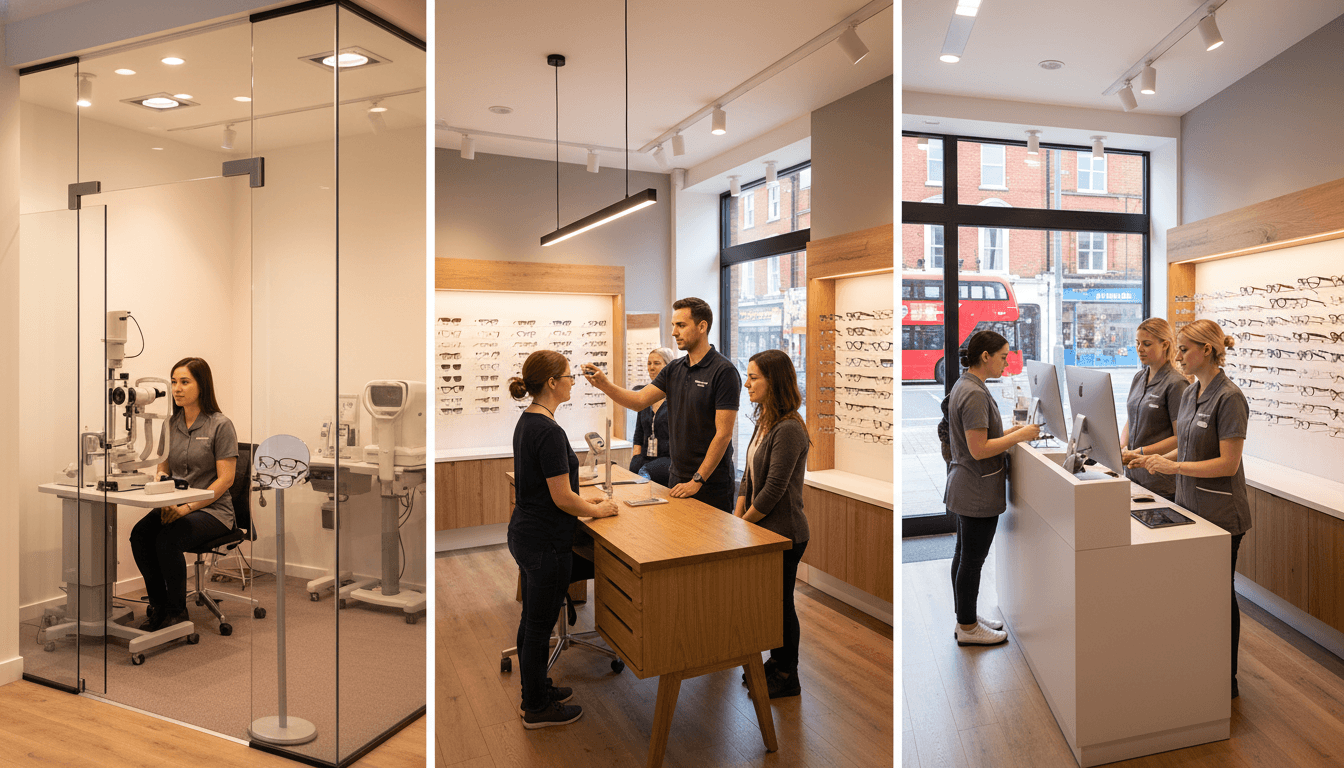
Continuous improvement is a core part of delivering safe, effective eye care in the UK. Whether you are an Optometrist, Dispensing Optician, Optical Assistant, Practice Manager or Contact Lens Optician, small, well-managed changes can have a measurable impact on patient experience, clinical outcomes, and workload sustainability.
In optical practices, improvement is rarely about radical overhauls. More often, it involves refining testing processes, improving communication between clinical and dispensing teams, reducing admin friction, or making better use of data such as recall rates or conversion figures. When change is rushed or poorly communicated, it can lead to fatigue, disengagement, and wasted effort.
This guide explains how continuous improvement should be approached in real optical environments. It focuses on starting small, measuring impact, involving the right people, and avoiding common mistakes that practices and individuals make when trying to "fix everything at once". The aim is to help optical professionals develop habits of improvement that are realistic, repeatable, and aligned with day-to-day practice life in the UK.
Start with a Clear Problem, Not a Solution
Improvement should begin with understanding the current situation. In optical settings, this might mean reviewing test times, recheck volumes, patient complaints, or handover issues between pre-screening and the consulting room. Jumping straight to solutions without understanding the root cause often leads to ineffective changes.
Mapping current workflows and gathering feedback from colleagues helps clarify what actually needs to improve and why it matters.
Keep the Focus Narrow
Trying to improve everything at once is a common mistake. In practice, focusing on one or two priority areas, such as reducing late clinics or improving recall booking rates, leads to better outcomes. Narrow focus makes it easier to measure progress and avoids overwhelming the team.
Start Small and Reduce Risk
Large changes can feel risky in busy practices. Piloting improvements on a small scale, such as trialling a new diary structure with one Optometrist or adjusting handover scripts for one week, reduces disruption. Small trials allow teams to learn quickly without affecting patient care.
Measure from a Baseline
Without baseline data, it is impossible to know whether change has helped. In optics, relevant measures might include average test length, patient wait times, contact lens conversion rates, or remake levels. Capturing a clear starting point ensures improvements are evidence-based rather than assumed.
Avoid Too Much Change at Once
Running multiple changes in parallel can cause confusion and make it difficult to identify what actually worked. Limiting active improvements helps teams stay focused and prevents change fatigue, particularly in high-pressure practices.
Communicate Early and Often
Under-communication is a frequent issue in optical environments. Teams need to understand what is changing, how it affects their day-to-day work, and when progress will be reviewed. Clear communication builds trust and reduces resistance.
Involve the Right People
Change is more effective when those impacted are involved. Optical Assistants, Dispensing Opticians, and reception teams often have valuable insights into patient flow and practical challenges. Co-creating improvements increases buy-in and makes changes more sustainable.
Review, Adapt, or Stop
Not every improvement will work. Regular reviews help decide whether to continue, adjust, or abandon a change. Data, not opinion, should guide these decisions.
What this looks like day to day
Continuous improvement in optics must account for clinical responsibility, patient safety, and commercial realities. For Optometrists, this might involve refining clinical workflows to protect testing quality while managing diary pressure. For Dispensing Opticians, improvements may focus on reducing remakes or improving patient understanding at handover. Practice Managers often lead improvement efforts by balancing staff wellbeing with performance targets.
Importantly, improvement is ongoing. Optical roles evolve with new technology, clinical guidance, and patient expectations. Professionals who develop structured improvement habits are better placed to progress into senior clinical or management roles while maintaining high standards of care.
If you are reviewing your next career step or considering a new role within optics, understanding how practices approach improvement can help you identify environments where you are more likely to thrive. Exploring roles aligned with your values and working style is a practical first step towards long-term career satisfaction.
Where this could take you
Curious what the market looks like for you?
Build your perfect job in under two minutes - postcode in, salary bands, advertised and hidden-market vacancies out.
Build your perfect job